
Canada • Business hotel operations
Biztronicx Hotel Canada
Accommodation designed around: predictable check-in, documented service windows, defined room specifications, and controlled on-site processes. Written information first.
24/7 Reception
Documented Housekeeping Windows
Business Wi-Fi Policy
Quiet-Floor Allocation
Invoice-ready Billing
Site index
- Rooms: room types, inclusions, occupancy rules, noise control.
- Amenities: business services, gym, meeting support, operational limits.
- Location: public transit access, airport routes, parking rules.
- Contact: contacts + request form + Google map.
- Privacy Policy: processing purposes, retention, rights.
- Cookie Policy: cookie categories, consent, controls.
Note: This website provides operational information. Bookings can be handled via your preferred channel after confirmation of requirements.
Property overview
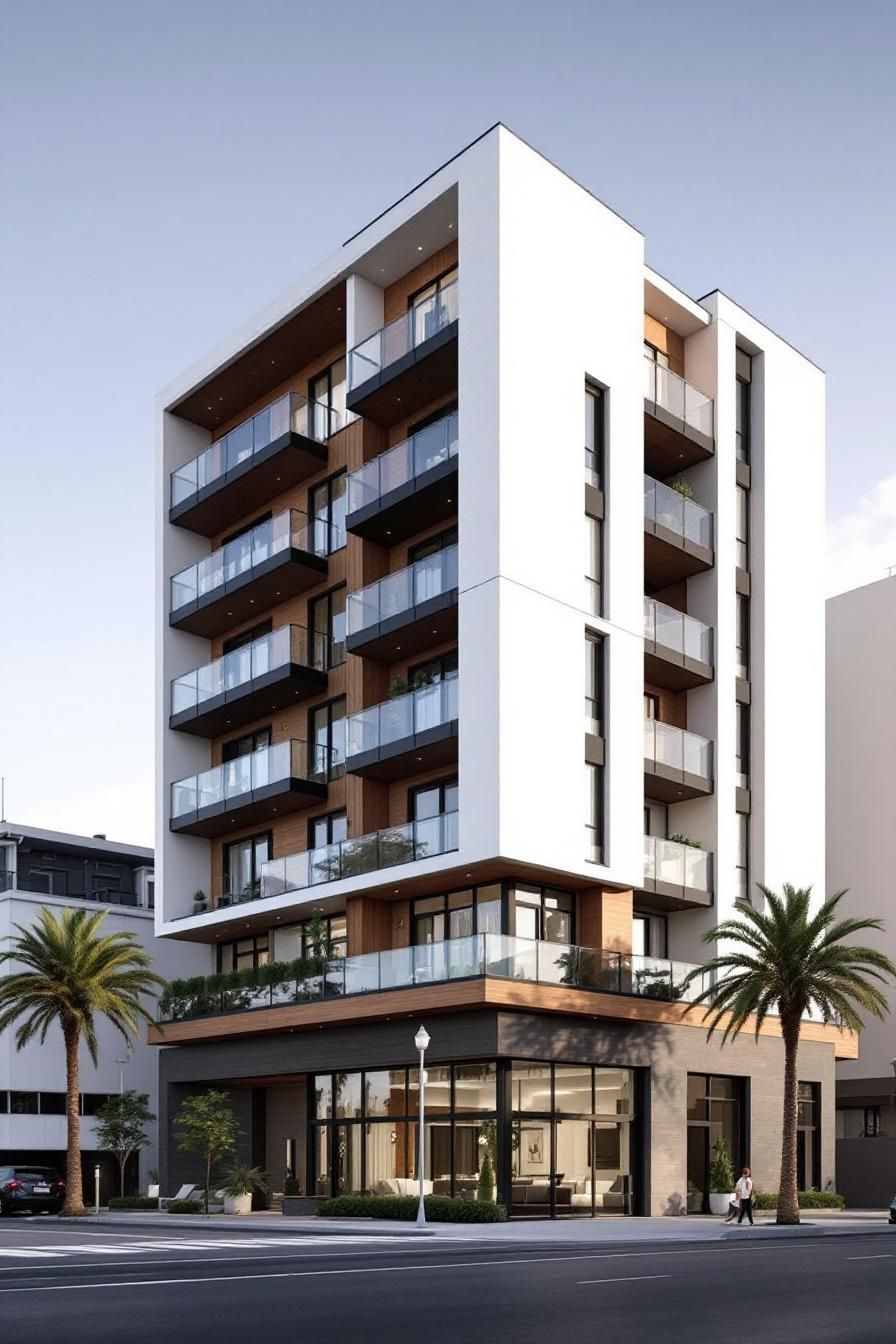
Biztronicx Hotel Canada — Exterior Overview
Modern building structure with controlled entry points, defined drop-off area, and documented access routes for business travelers.
Building profile
- Multi-floor commercial-grade construction
- Separated guest and service entrances
- Weather-protected main entrance
- Monitored access zones
Access management
- 24/7 staffed reception
- Camera-supported entry control
- Visitor logging procedures
- After-hours protocol
Operational standards
- Defined arrival flow
- Corporate guest prioritization
- Incident documentation
- Security escalation path
Key facts
Property definition
Property typeBusiness hotel (structured services, minimal discretionary offerings)
Target guestBusiness travel, regulated schedules, corporate billing
Operating modelDefined service windows, documented exceptions, incident logging
Quiet hours22:00–07:00 (enforced by floor allocation and escalation steps)
AccessibilityStep-free access routes available; room allocation by request
Core policies overview
- ID verification: required at check-in (policy applies to all guests).
- Deposit holds: may apply depending on rate plan and length of stay.
- Late check-out: controlled by housekeeping cycle; approved case-by-case.
- Deliveries: accepted during reception coverage; logging and storage limits apply.
- Noise control: documented escalation; relocation if required.
- Data handling: outlined in Privacy Policy.
Rooms — summary (full specifications on Rooms page)
Executive King
- Occupancy: 1–2
- Work zone: desk + task lighting
- Controls: blackout + thermal stability targets
- Suggested use: short business stays
Deluxe Twin
- Occupancy: 1–2
- Layout: separated sleep surfaces
- Noise mitigation: floor allocation priority
- Suggested use: colleagues, short shared stays
Business Suite
- Occupancy: 1–3
- Zones: work + lounge separation
- Meeting use: limited, by policy
- Suggested use: extended stays
Room standards (applies across types)
- Connectivity: Wi-Fi with published acceptable-use rules.
- Lighting: task lighting at desk; night lighting guidance.
- Temperature: documented target range; maintenance escalation path.
- Housekeeping: scheduled windows; “do not disturb” compliance.
- Maintenance: tickets logged; response priority based on severity.
Billing and documentation
- Invoice-ready receipts (company name capture by request).
- Rate plan descriptors (what is included / excluded).
- Incident reporting: staff logs for material issues.
- Tax handling: per jurisdiction; itemized on final bill.
- Data minimization: only necessary billing fields retained.
Location — access profile
Access and routing
- Primary access: arterial road approach + structured drop-off rules.
- Transit: walking distance to a major stop (see details on Location page).
- Airport routing: recommended options by time-of-day windows.
- Parking: controlled capacity; policy-based allocation.
Area suitability (non-promotional)
- Corporate offices: practical commute range.
- Services: pharmacies, groceries, ATMs (availability varies).
- Noise profile: road exposure by side; request “quiet-floor” allocation.
- Late arrivals: documented check-in procedure for night hours.
Pros / Cons (operationally stated)
Pros
- Defined service windows, lower variance in delivery.
- Business-first documentation (billing, receipts, policies).
- Quiet-hour enforcement with escalation procedure.
- Clear amenity scope (what exists vs what does not).
- Request handling via contact form with categorization.
Cons / limitations
- Limited discretionary services; not positioned as a leisure resort.
- Some requests depend on occupancy and staffing windows.
- Parking capacity is finite; availability not guaranteed without confirmation.
- Room allocation constraints: quiet-floor / accessibility depend on availability.
- Meeting use inside rooms may be restricted by policy.